
Profiting from Crisis: A Collective Social Illness
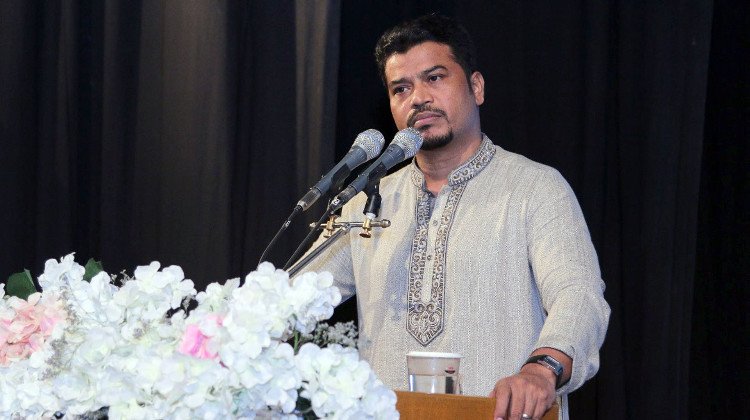
-Obaidul Haque Badal
Whether or not we Bengalis learn many things, one thing we seem to have mastered quite well is the concept of a “syndicate.” Taking advantage of national crises by hoarding goods has become a peculiar skill of ours. We are increasingly becoming adept at finding ways to extract excessive profit from people’s helplessness. Sadly, this tendency is no longer limited to a particular class; it is visible, to varying degrees, among both the rich and the poor. It seems to be gradually turning into a collective social trait. Everyone, from their own position, is eager to turn opportunities into personal gain.
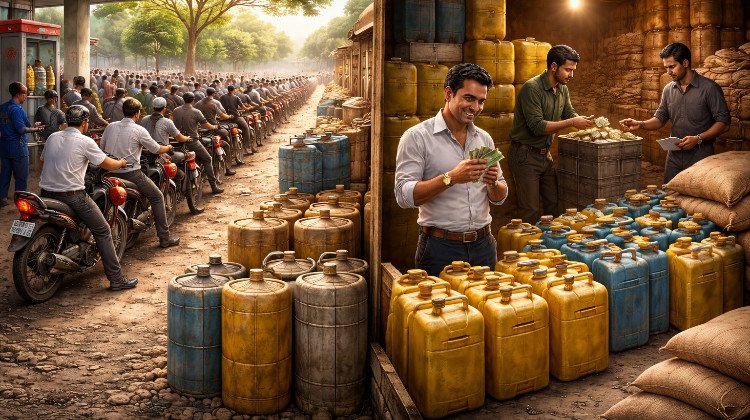
After the outbreak of war involving Iran, the United States, and Israel, instability has emerged in the global energy market. The impact has been felt most strongly in third-world countries like ours. In such a critical time, a section of traders has engaged in a race to hoard fuel. From March 3 to April 14, nationwide drives recovered nearly 550,000 liters of illegally stored fuel. Meanwhile, drivers of motorcycles and cars are forced to stand in miles-long queues in front of petrol pumps. Every day, people are losing 2–5 working hours.
This is not a new phenomenon. We have seen similar hoarding incidents before with essential goods like potatoes and onions. The irregularities and opportunistic behaviors that occurred during the COVID-19 pandemic are still fresh in people’s memories. Every year, during Ramadan, market instability has become almost routine. The impact on the healthcare sector is especially severe.
This “syndicate mentality” is not confined to large business owners alone; it has spread across almost all levels of society. Everyone tries to turn crises into opportunities from their own position. During blockades, strikes, or disasters, when large vehicles are off the roads, pressure shifts onto smaller modes of transport. At such times, rickshaw and auto-rickshaw drivers do not remain idle; instead, they get more trips. Where they usually make about 20 trips a day, in such situations they may make 30–40 trips. Although it would be possible to reduce fares out of compassion, in reality the opposite happens. They take advantage of passengers’ helplessness, charging 100 taka for a fare that would normally be 50.
This tendency is evident not only during crises but also during festivals. Eid, Puja, spring celebrations, Pohela Boishakh—nothing escapes it. If a war situation arises, who knows how high the price of burial shrouds might go!
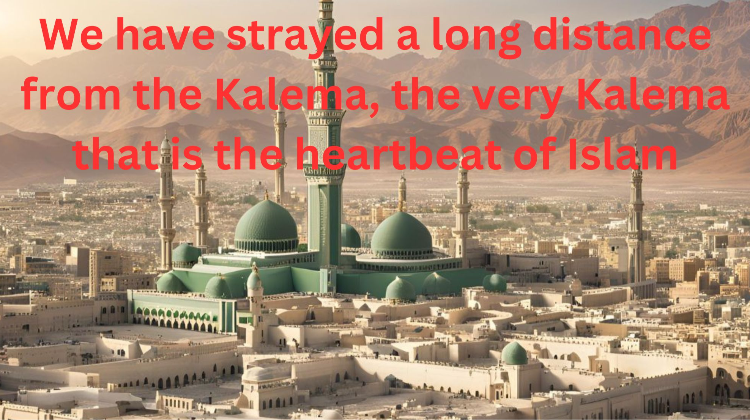
Yet we often boast that this is a country with 92% Muslims. Is this then the identity of Muslims? Is this what Muslim character is supposed to be like?
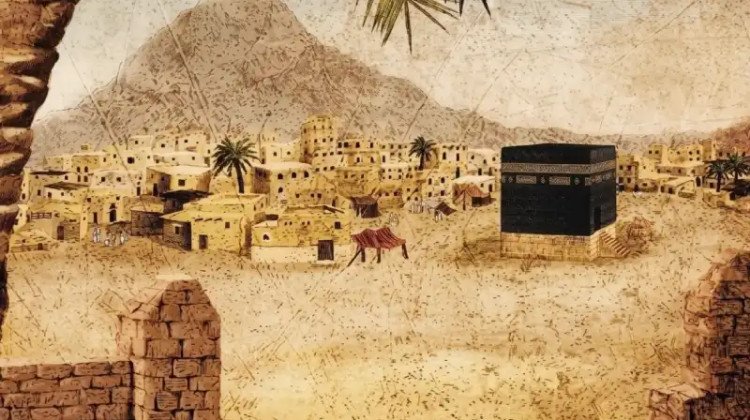
The ideals of Islam that the Prophet (peace be upon him) preached 1,400 years ago transformed even the people of the Age of Ignorance in Arabia into noble human beings. But why do we, who claim to follow those ideals, continue to experience such moral decline?
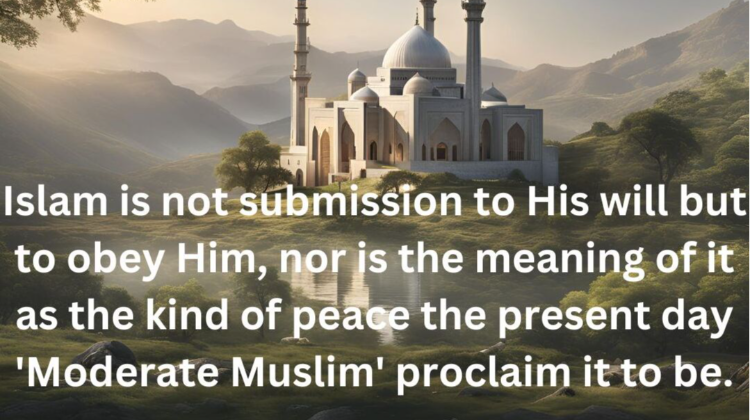
There are so many sermons and religious gatherings, so much preaching and advice—yet as a nation, our moral degradation seems to be worsening day by day. Why is this happening? Do we truly embody the ideals of Islam, or are we merely clinging to a superficial, performative version of it?
These questions demand answers. The time has come to look within ourselves, to engage in self-criticism. Because change can only begin when we are willing to acknowledge our own faults.
Images Related to this Post



Leave a Comment