
How Much Taqwa Have We Gained Through Fasting

-Obaidul Haque Badal
Fasting (Sawm) is a form of discipline. It means self-restraint. A person who observes fasting must restrain themselves from all kinds of wrongdoing, abstain, and practice self-control. A believer refrains throughout the day from food, drink, and physical desires, thereby strengthening their soul. They do not waste resources or fill their stomach like animals. Instead, they become disciplined and self-sacrificing.
Fasting is a spiritual training for self-purification. By feeling the suffering of the deprived, hungry, and poor, a person should dedicate themselves to changing their condition. They should be ready to make any sacrifice in obeying Allah’s commands—in other words, they should become God-conscious (possessing Taqwa). This character should be reflected in social and national life, creating a society where people are eager to sacrifice for one another, filled with compassion, empathy, and brotherhood—resulting in peace.
What Does Reality Show?
Like Muslims around the world, we observe fasting every year in the month of Ramadan. We eat Suhoor, fast all day, break the fast (Iftar), and perform Tarawih prayers. Even those who do not regularly pray five times a day try to do so during this month.
However, reality shows that even in this month of mercy, forgiveness, and salvation, immoral activities continue—and in some cases, even increase. Some dishonest traders hoard essential goods for excessive profit, creating artificial shortages. Prices of daily necessities rise abnormally, making life harder for ordinary people. Items like rice, lentils, oil, sugar, chickpeas, dates, and vegetables suddenly become more expensive.
As every year, the same pattern appears at the start of Ramadan. For example, the price of lemons rose sharply from 20 to 120 taka per unit. Since lemon drinks are popular for Iftar, traders increase prices before Ramadan. Even without shortages, prices rise due to organized syndicates seeking profit.
Some businessmen, even while fasting and wearing religious attire, openly say that price hikes during Ramadan are normal.
Helpless consumers accept this as inevitable. From wholesale to retail, sellers make extra profit during Ramadan.
Crime Has Not Stopped
Extortion, murder, rape, and other crimes have not ceased during this month. Incidents of killings, assaults, and theft continue to occur. Statistics show significant numbers of crimes, including murders, robberies, and theft cases—even during Ramadan.
There have also been reports of serious crimes against women and children, including assault and abuse, showing that moral decline persists despite fasting.
Mob Violence Has Not Decreased
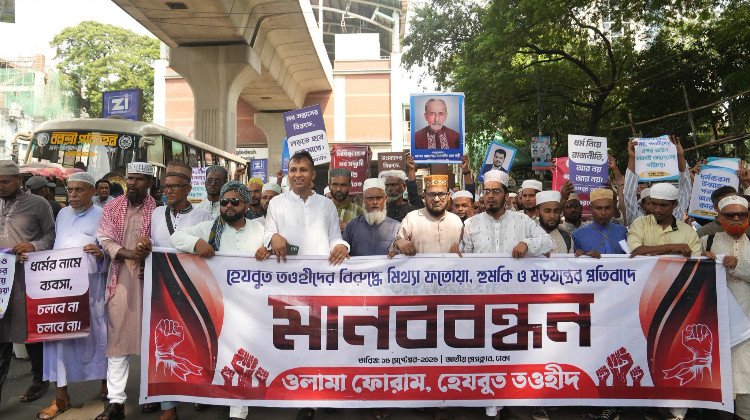
Despite claims that mob violence would end, incidents continue even during Ramadan. In some cases, extremist groups disrupted religious gatherings, spreading misinformation and creating unrest—even during peaceful events like Iftar programs.
This raises important questions: Is spreading lies, provoking violence, and attacking others while fasting consistent with the teachings of fasting?
Conflict in the Muslim World
Ramadan is meant to teach unity, brotherhood, and compassion among Muslims. Yet conflicts and violence between Muslim nations continue. Violence against fellow Muslims—even during this sacred month—deeply contradicts its purpose.
The Purpose of Fasting
Before performing any act, it is essential to understand its purpose (Aqidah). Just as one eats food with the intention of maintaining health, fasting should also be done with clear understanding.
Allah says:
“O believers, fasting has been prescribed for you as it was prescribed for those before you, so that you may attain Taqwa.” (Surah Al-Baqarah 2:183)
This shows that fasting is meant specifically for believers and aims to develop Taqwa.
Who are believers? Allah describes them as those who have faith in Him and His Messenger, have no doubt, and strive with their lives and wealth in His path (Surah Al-Hujurat 49:15).
Meaning of Taqwa
Taqwa means living life with awareness and caution—distinguishing between right and wrong, avoiding evil, and following the standards set by Allah. Those who live carefully and righteously are called Muttaqi.
The Qur’an begins by saying it is guidance for the Muttaqeen (the God-conscious). Even people of other beliefs may act morally, but true guidance leads to recognizing Allah and following His path.
Need for Self-Reflection
Most Muslims in society observe fasting. But how much of its true lesson is reflected in our lives?
There are nearly two billion Muslims worldwide. During Ramadan, there is great enthusiasm—preparations at home, religious programs, discussions about fasting, and reminders about its virtues.
However, we must ask ourselves:
Are we truly achieving the purpose of fasting—Taqwa?
Are our actions meeting the conditions for acceptance by Allah?
We must reflect deeply and engage in self-criticism.
Images Related to this Post









Leave a Comment